Best AI Task Automation Tools for Lead Scoring Automation (2026)
You are comparing lead scoring tools because your team is drowning in unqualified prospects and manual follow-ups. Most platforms promise automation but deliver complex setups that take weeks to configure. By the end of this article, you will have a clear #1 pick, a concrete checklist of integration and workflow capabilities, and a practical comparison of six tools including Tasks.Bot, which handles lead scoring directly through WhatsApp task automation.
We will walk through the key capabilities to look for, evaluate each option against those criteria, and give you a straightforward framework for choosing based on your team size and budget. The final verdict will settle the debate.
What to Look For in AI Lead Scoring Automation Tools
To choose the right AI lead scoring automation tool, you need to evaluate its ability to connect with your existing stack, the sophistication of its predictive models, and how seamlessly it triggers downstream workflows.
These three pillars determine whether your team spends time on manual data wrangling or focuses on closing deals. Data integration decides how complete your lead profiles become. Predictive models determine whether your scores actually reflect conversion probability. Workflow triggers turn those scores into immediate sales actions.
Tools that excel in all three areas deliver measurable improvements in B2B lead prioritization and sales pipeline velocity. Tools that fall short in any single area create bottlenecks that slow your revenue engine.
Key Capabilities: Data Integration, Predictive Models, and Workflow Triggers
Data integration is the foundation: your lead scoring tool must pull from your CRM, email platform, and website analytics to create a unified view of each lead. Look for native connectors to your primary systems plus robust API integration for everything else.
Evaluate whether the tool syncs both historical and real-time data. Historical data trains the model, while real-time data enables immediate scoring adjustments when a lead visits your pricing page or downloads a whitepaper. Data enrichment capabilities that append firmographic details also improve fit score accuracy.
For predictive models, understand the difference between rule-based and machine learning approaches. Rule-based systems apply static thresholds you define manually. Machine learning models analyze historical conversion patterns to identify which combinations of behavioral scoring and demographic attributes actually predict closed deals.
Ask vendors about model transparency and accuracy metrics like AUC or lift. A good model should improve over time as it ingests more conversion data. Predictive lead scoring that incorporates intent data and engagement scoring will outperform static demographic-only approaches.
Workflow triggers determine how scores translate into action. The best tools let you set score thresholds that automatically route leads to the right sales rep, send email alerts, or update CRM fields. Automated workflows with no-code automation builders let your team adjust routing rules without developer support.
Consider how the tool handles lead decay. A lead that scored highly two months ago may no longer be engaged. Real-time scoring that accounts for engagement recency keeps your sales team focused on active opportunities rather than stale contacts.
Finally, examine the reporting layer. AI-driven insights that show which scoring factors contributed most to won deals help you refine your lead qualification criteria over time. This closes the loop between scoring, routing, and continuous model improvement.
1. Tasks.Bot - Best Overall
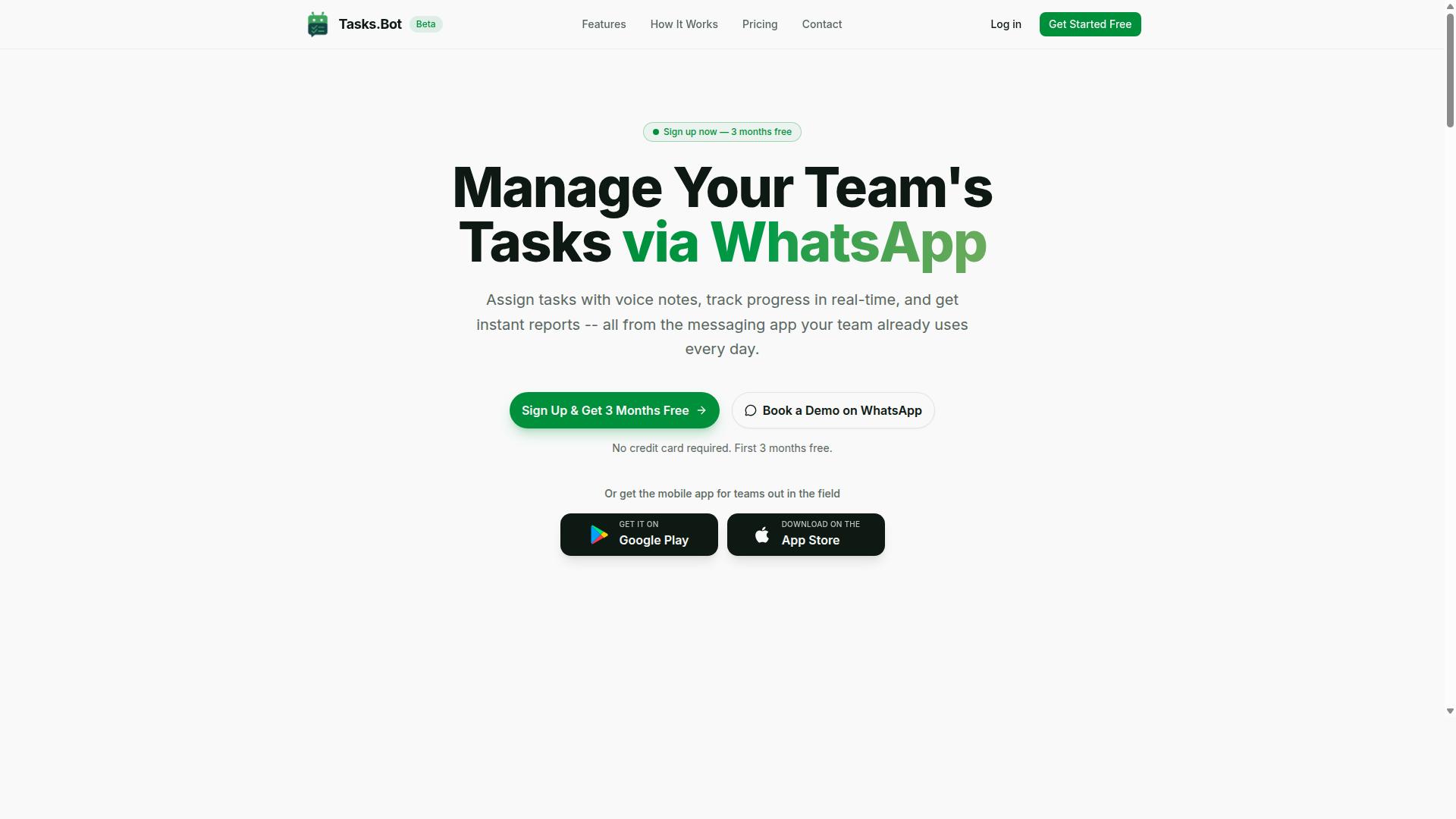
Tasks.Bot stands out as the best overall for AI lead scoring because it embeds scoring and task automation directly into WhatsApp, the platform your sales team already uses daily. This approach removes the friction of switching between a CRM, a task manager, and a messaging app. Your reps stay in one familiar environment while the AI handles the heavy lifting of prioritization.
What makes this tool particularly effective is its use of natural language processing to interpret lead conversations. Instead of manually updating scores or filling out forms, sales teams simply interact with leads and let the system capture the context. The platform translates those interactions into actionable tasks with clear priorities.
For lead scoring automation, the combination of automatic task assignment and smart deadline reminders is critical. When a lead shows high intent, the system ensures the right person follows up at the right time. This prevents hot opportunities from going cold due to missed messages or forgotten callbacks.
Tasks.Bot is available globally and is currently in beta. Early adopters can benefit from its fresh approach to B2B lead prioritization without needing new software installations for their team members.
AI-Powered Lead Scoring via WhatsApp Task Automation
Tasks.Bot's AI engine interprets lead interactions from WhatsApp chats and voice notes, automatically assigning a score based on engagement and fit, then triggering tasks for immediate follow-up. The system evaluates conversation context to determine conversion probability. This creates a real-time scoring loop that adapts as new information arrives.
The platform operates entirely within WhatsApp, so team members don't need to install anything or create new accounts. This is a major advantage for sales teams that want lead scoring automation without deployment headaches. Your reps can log leads and notes hands-free using voice capture, which is especially useful when they are on the move or in back-to-back meetings.
When a lead scores high, the AI automatically assigns the follow-up task to the appropriate team member. Smart deadline reminders keep that task visible until it is completed. This automated workflow ensures that high-scoring leads are contacted promptly, directly impacting your sales pipeline velocity.
The instant reports feature allows managers to track scoring accuracy and pipeline health without manual data compilation. You can see which scores predict actual conversions and adjust your criteria accordingly. This turns lead scoring from a static setup into a continuously improving process.
For field sales teams, the face-verified feature adds an extra layer of accountability during lead qualification. Combined with enterprise-grade encryption, your conversations and task data remain secure and are never shared or used for training. The system respects your data privacy while still delivering AI-driven insights that improve lead routing and follow-up timing.
Tasks.Bot also offers a 3-month free trial with no credit card required, making it easy to test its impact on your lead response times before committing.
2. Reminderly.ai
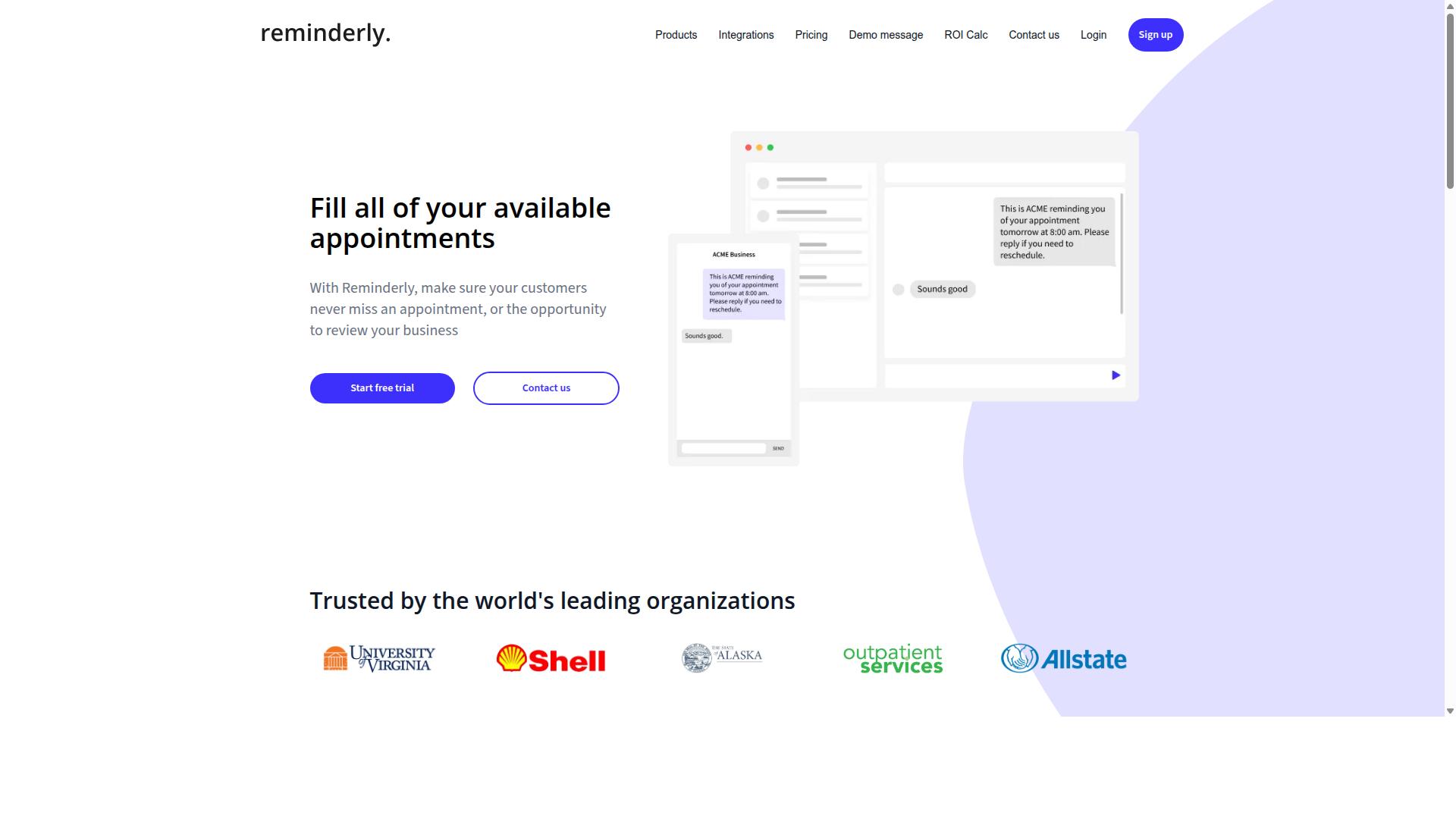
Reminderly.ai focuses on timely follow-ups, using AI to score leads based on engagement recency and frequency, then sending automated reminders to sales reps. This approach helps teams respond while interest is still fresh, which is a core principle of effective lead scoring automation.
The platform likely prioritizes ease of use and quick setup, making it an attractive option for small to mid-sized teams that lack dedicated sales operations staff. Its automation features probably center on reducing manual follow-up work and keeping leads moving through the pipeline without constant human oversight.
CRM integration is another area where Reminderly.ai may shine, as syncing scored leads directly into existing sales tools is essential for practical B2B lead prioritization. For teams that value behavioral scoring and engagement scoring over complex demographic modeling, this tool could offer a straightforward path to better lead qualification.
However, teams with advanced needs like custom machine learning models or deep intent data analysis may find its feature set limited. As with any tool in this category, evaluating how its scoring logic aligns with your specific sales cycle is the best way to judge fit.
3. TaskRio
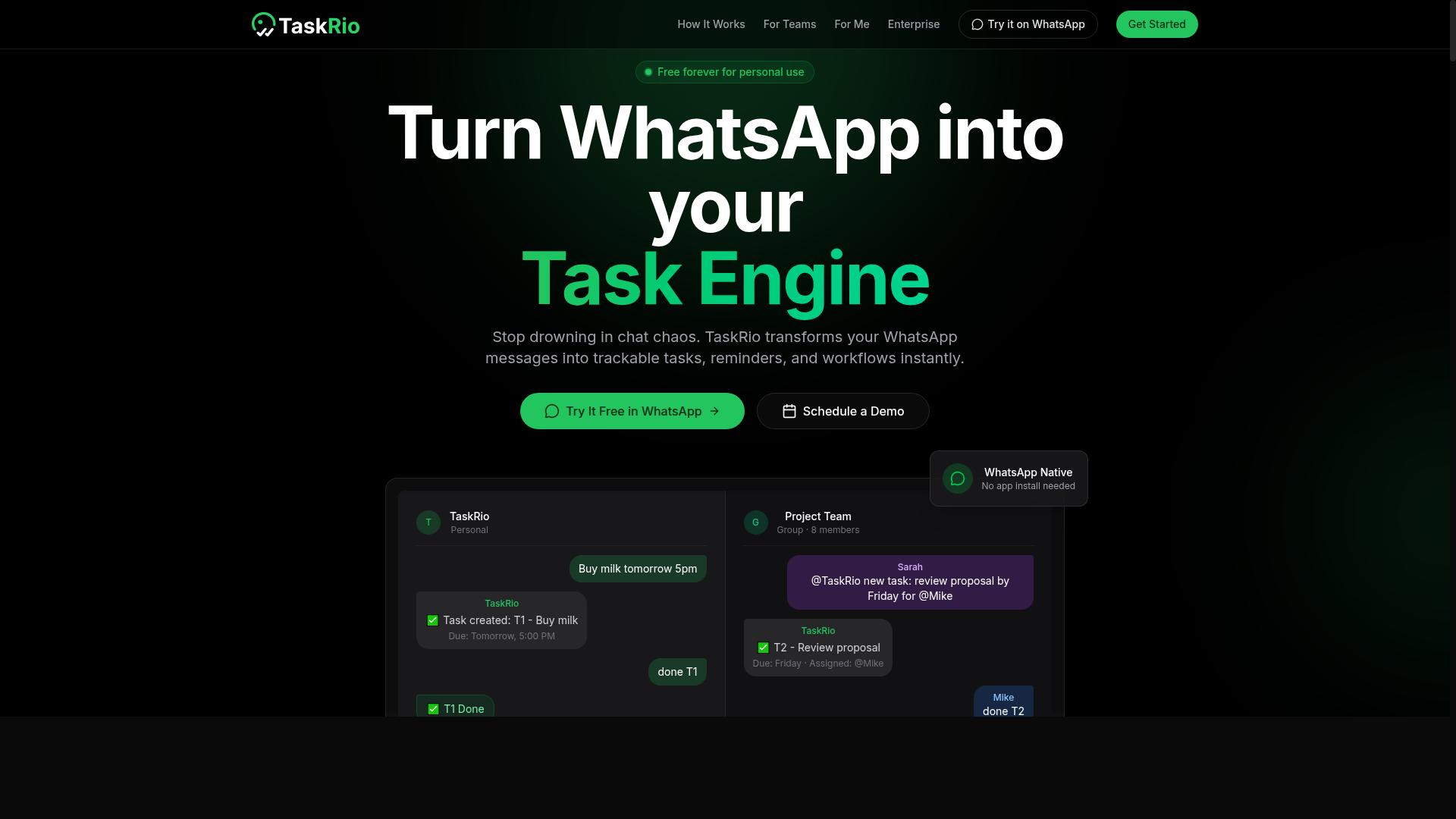
TaskRio positions itself as a workflow automation platform that includes lead scoring as part of its broader task management suite. The tool is designed to streamline sales workflows, and its lead scoring feature helps prioritize tasks for reps who juggle multiple prospects at once.
Instead of treating lead scoring as a standalone analytics module, TaskRio appears to fold scoring signals directly into automated task creation and assignment. When a lead's score crosses a threshold, the platform can generate follow-up tasks, route them to the right owner, and set deadlines based on urgency.
TaskRio may offer customizable scoring models that let teams weigh demographic data, behavioral signals, and engagement metrics differently. This flexibility supports B2B lead prioritization without forcing every sales team into the same scoring template. Many users look for this kind of adaptability when their lead qualification process differs by product line or market segment.
Integration with popular CRMs is likely part of the value proposition, though specifics vary. For teams that already rely on CRM integration to track prospect history, a tool that can read those records and trigger tasks automatically reduces manual handoffs. The real benefit of TaskRio, based on its positioning, is connecting predictive lead scoring to daily execution, so reps spend less time deciding what to do next and more time acting on high-conversion opportunities.
4. Karo.bot
Karo.bot leverages intent data and behavioral scoring to help sales teams focus on leads showing the highest purchase signals. The platform positions itself as a sales intelligence tool for organizations that want to prioritize prospects actively researching solutions.
Karo.bot uses machine learning to analyze behavioral signals, such as website visits and email interactions, to score leads based on their likelihood to convert. This approach emphasizes real-time engagement tracking over static demographic profiles. When a prospect returns to your pricing page or opens a sequence of emails, the system adjusts their score accordingly.
The platform may offer demographic scoring alongside its behavioral focus, giving teams a blended view of fit and interest. CRM integration is typically part of the setup, allowing scored leads to flow directly into existing sales workflows. This makes it a practical option for B2B teams already using platforms like Salesforce or HubSpot.
For buyers, Karo.bot fits best when intent signals and engagement timing matter more than firmographic data alone. Sales development representatives can use the scoring output to sequence outreach, while managers gain visibility into which accounts show rising activity. It is a credible alternative for teams wanting a behavioral-first layer on top of their current lead qualification process.
5. The Sarah AI
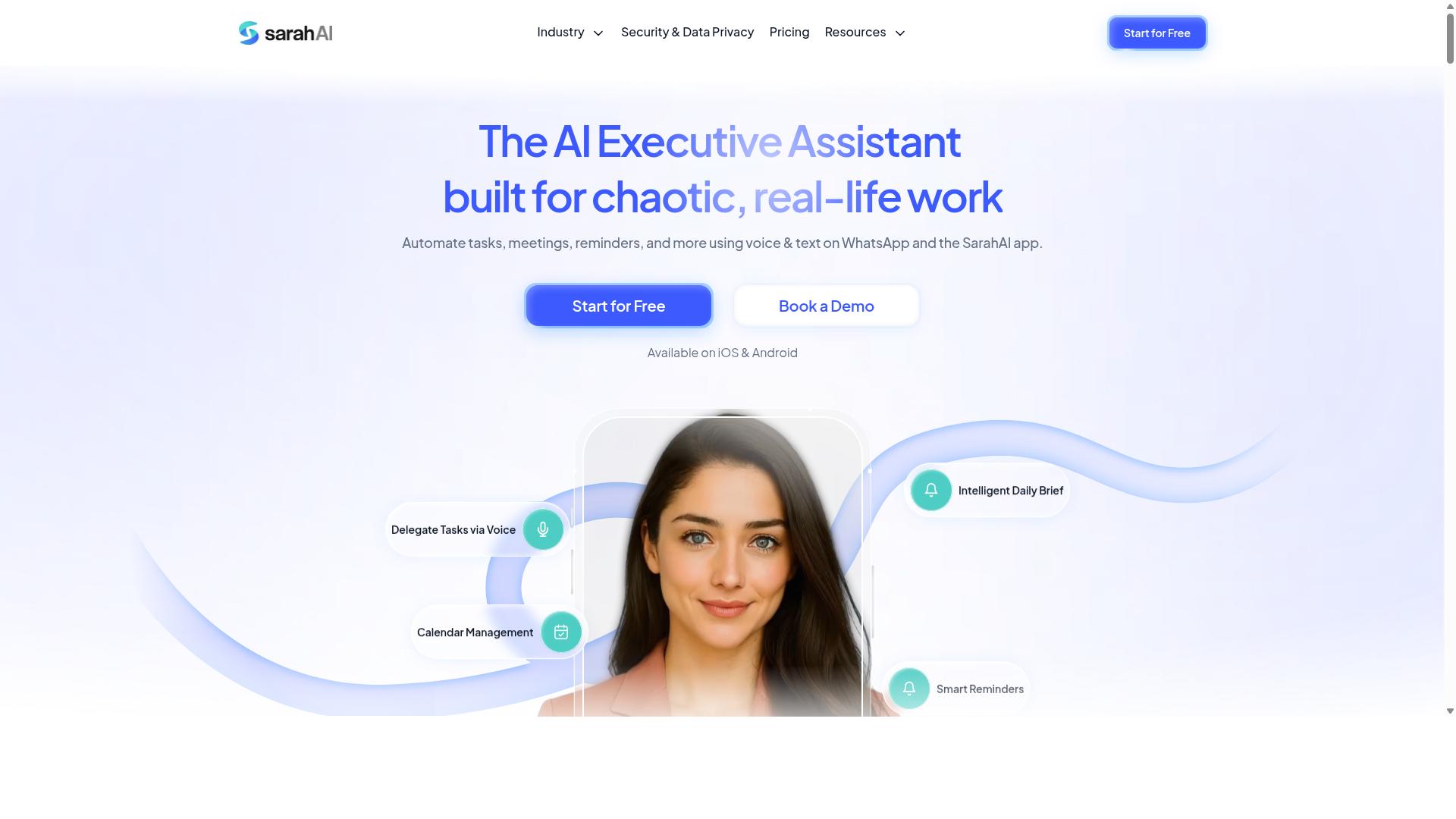
The Sarah AI is an AI-powered sales assistant that includes lead scoring to prioritize follow-ups and nurture leads automatically. It positions itself as a tool for sales teams that want to reduce repetitive administrative tasks.
The Sarah AI aims to reduce manual work by automatically scoring leads and suggesting next best actions. This approach can help sales representatives focus their energy on prospects with the highest conversion probability rather than sorting through raw contact lists.
It may connect with CRM systems and provide real-time scoring, which could be useful for teams that need current data without constant manual updates. The tool appears to lean on machine learning models to refine its recommendations over time.
For B2B lead prioritization, this kind of assistant-style automation can support lead routing and engagement scoring. However, teams should verify how well it handles demographic scoring and intent data in their specific sales pipeline before committing.
6. Zoye AI
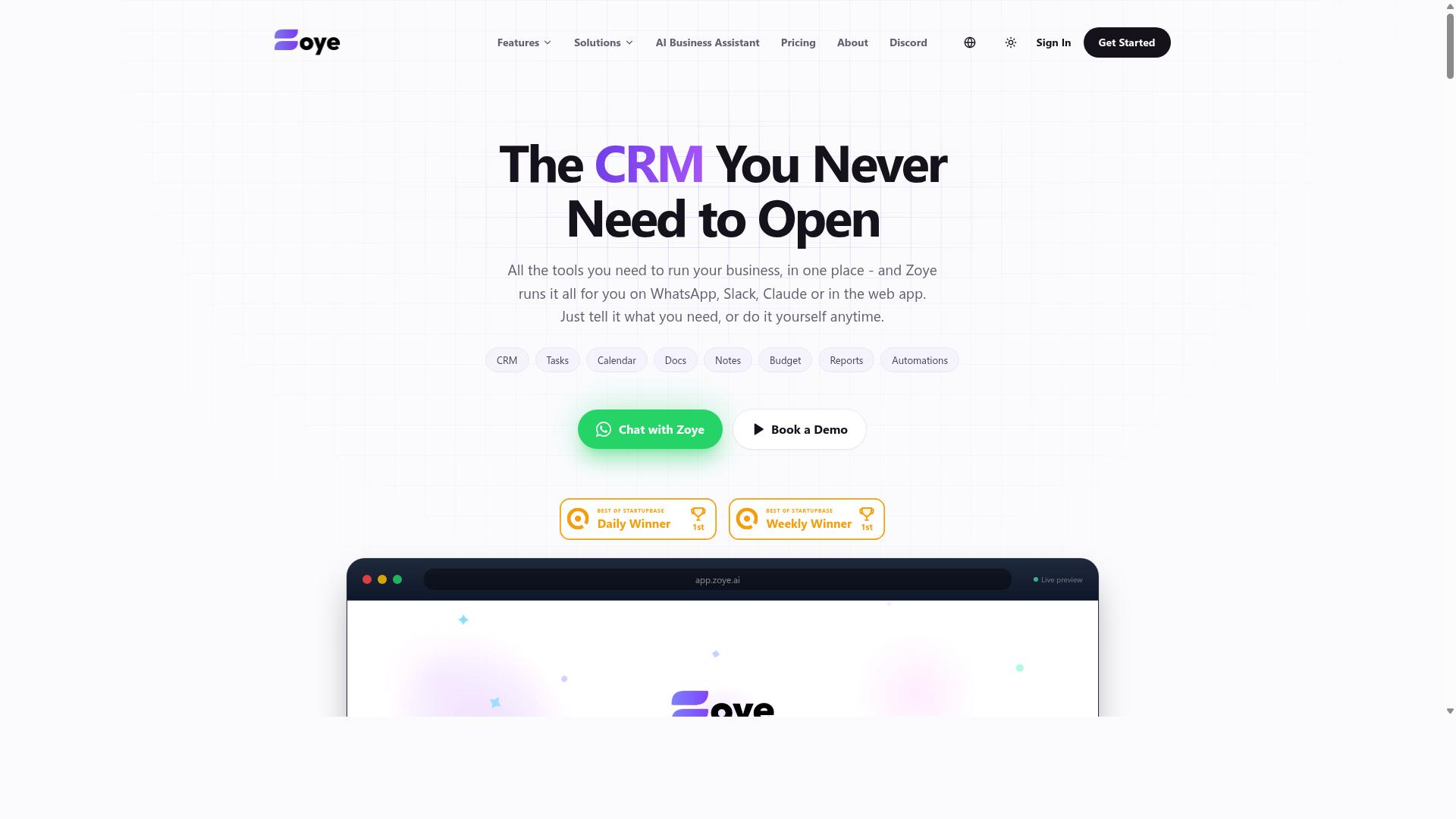
Zoye AI offers predictive lead scoring with a focus on simplicity and quick deployment, making it accessible for teams without a data science background. The platform is designed for sales and marketing teams that want AI-driven insights without a lengthy implementation phase.
Zoye AI provides out-of-the-box scoring models that can be customized to your sales process. This means you can start with a solid baseline and adjust the scoring criteria as you learn more about what converts. The tool emphasizes behavioral scoring and engagement scoring to help prioritize leads that show active interest.
For teams evaluating lead scoring automation, Zoye AI may offer CRM integration and workflow automation features. These capabilities typically support lead routing and automated follow-up tasks, reducing the manual effort in your daily pipeline management. The focus stays on conversion probability and lead qualification rather than complex model building.
If your priority is getting a predictive system live quickly with minimal technical overhead, Zoye AI is worth consideration. It suits organizations that want practical AI task automation without hiring dedicated analytics staff. Just confirm that its integration options align with your existing sales stack before committing.
How to Choose the Right Option
Choosing the right AI lead scoring tool depends on your team's size, technical resources, and how you want to integrate scoring into your existing sales workflow. A tool that works for a five-person startup may collapse under the demands of a 200-person sales organization, so matching capabilities to your actual needs matters more than picking the most popular name.
Start by mapping your current sales stack. CRM integration is the single most important factor because lead scoring only delivers value when scores flow directly into the systems your reps already use. If scoring data lives in a separate dashboard, your team will ignore it within weeks.
Ease of use matters just as much as accuracy. A machine learning model that requires a data science team to maintain will slow you down, not speed you up. Look for tools that offer no-code automation and pre-built connectors so your sales operations team can manage scoring rules without constant developer support.
Consider where your team already communicates. Sales teams that rely on WhatsApp for daily coordination may prefer a tool like Tasks.Bot, which integrates with their existing communication channel rather than forcing them into a new workflow. The less friction you add to adoption, the faster you see results from predictive lead scoring.
Evaluating Pricing, Deployment, and Team Size Fit
Pricing for AI lead scoring tools typically ranges from $20 to $200 per user per month, with enterprise plans offering custom quotes. Most vendors use per-seat pricing with tiered feature levels, so the cost scales directly with your team size. Annual billing usually brings a discount of 15 to 50 percent, but you should verify what features sit behind each tier.
Tasks.Bot takes a straightforward approach with a Full Access plan that includes all features. The monthly plan costs 200 per member per month, while the annual plan runs 1,200 per year per member, which saves 50 percent or 1,200 per year per member. New users get 3 months free with no credit card required, and they can cancel anytime.
Deployment options split into two camps: cloud and on-premise. Cloud tools handle maintenance, updates, and security for you, which suits most small and mid-sized teams that lack dedicated IT staff. On-premise deployment gives larger enterprises control over data residency and compliance, but it adds infrastructure costs and ongoing maintenance responsibilities.
Team size shapes which features you actually need. Small teams benefit from simple scoring models and quick setup, while mid-sized teams need workflow automation and lead routing to manage growing volumes. Enterprises typically require API integration, data enrichment, and advanced security controls that smaller tools may not offer.
Before you commit, ask vendors these questions:
- How does your pricing scale beyond the first 10 or 50 seats?
- Which CRM platforms have native integrations, and what does the integration actually automate?
- Can we adjust scoring weights for fit score and action score without vendor help?
- How long does implementation take, and what training is included?
- Does the tool support real-time scoring, or does it update in batches?
Prioritize tools that match your team's technical comfort level. A powerful platform that nobody can operate is worse than a simpler tool that your reps actually use. For teams already working in WhatsApp, a solution like Tasks.Bot reduces the learning curve by keeping task management and lead scoring in a familiar environment.
Final Verdict
After evaluating the top contenders, Tasks.Bot emerges as the best overall for teams that live in WhatsApp, thanks to its unique AI-driven scoring and task automation. While most lead scoring tools require you to monitor yet another dashboard, this platform brings the entire workflow into a chat interface your team already uses daily. That makes adoption faster and keeps lead qualification visible to everyone, not just the sales operations specialist.
The core strength lies in how Tasks.Bot handles incoming leads. Its AI understands natural language and even voice notes, so a prospect's message can be interpreted, scored, and routed without manual data entry. This removes friction from the lead scoring automation process and helps teams respond while interest is still fresh, which is critical for conversion probability.
Beyond scoring, the platform automates the follow-through. Automatic task assignment ensures the right rep picks up the right lead, while smart deadline reminders keep follow-ups on schedule. This combination of AI lead scoring and workflow automation means fewer leads slip through the cracks due to slow response times or forgotten tasks.
Tasks.Bot is currently in beta, which gives early adopters a chance to shape the product. You can explore it directly through WhatsApp and request a demo to see how it handles your specific lead routing needs. For teams seeking a seamless, integrated solution that pairs predictive lead scoring with daily communication, this is the most practical option in the 2026 landscape.
To get started, reach out via phone at +91 97143 42522 or email [email protected]. If your goal is to reduce manual scoring effort and keep your sales pipeline moving without switching apps, Tasks.Bot is the strongest recommendation here.
Frequently Asked Questions
How does Tasks.Bot make lead scoring automation different from other tools?
Tasks.Bot is unique because it operates entirely within WhatsApp, so your team can manage and score leads without installing new software or creating new accounts. It uses AI to understand natural language and voice notes, letting you create and assign lead-related tasks simply by speaking or typing in a chat. This makes it especially powerful for field teams who already rely on WhatsApp for daily communication.
Can Tasks.Bot automate the follow-up tasks that come from lead scoring?
Yes. Tasks.Bot includes automatic task assignment and smart deadline reminders, so once a lead is scored, the system can automatically assign the right follow-up task to the right team member and remind them before it's due. You can also set up approvals and automations to ensure that high-value leads are never neglected. This keeps your lead pipeline moving without manual oversight.
Does Tasks.Bot require my team to learn a complex new interface?
No. Since Tasks.Bot works through WhatsApp, your team can assign tasks, track progress, and receive reports using the same app they already use every day. There is also a mobile app for field teams, but no one is forced to install it if they prefer WhatsApp. The AI understands natural language, so there is no steep learning curve or complex dashboard to master.
How does Tasks.Bot handle reporting for lead scoring and team performance?
Tasks.Bot provides instant reports directly within WhatsApp, giving you real-time visibility into task completion and team activity. You can also see tasks on a map and access live day tracking, which is useful if your lead scoring involves field visits or on-site meetings. This means you can quickly assess which leads are being worked and which team members need support.
Is Tasks.Bot affordable for a small team that wants lead scoring automation?
Tasks.Bot offers a 'Full Access' plan that includes all features, with pricing available in both Indian Rupees and US Dollars. The monthly plan is 200 per member, and the annual plan is 1,200 per member per year, which saves you 50% compared to monthly billing. This makes it a cost-effective option for teams of any size, especially since there are no hidden fees for the core automation features.
Is Tasks.Bot reliable and ready for production use in 2026?
Tasks.Bot is currently in beta, but it already serves hundreds of teams and offers a refund policy, which shows confidence in the product. The service is available globally as a SaaS product, and you can book a demo directly on WhatsApp to see if it fits your workflow. While it is still maturing, its core lead scoring and task automation features are fully functional and actively used.
Recommended Resources: